

Most industrial plants aren’t struggling because things are broken.
They’re struggling because things kind of work.
A drive trips once or twice a week and needs a reset. An alarm goes off so often no one reacts anymore. A screen freezes just long enough to be annoying. None of it stops production, so people tolerate it.
Over time, these control system problems stop feeling like problems at all.
They become normal.
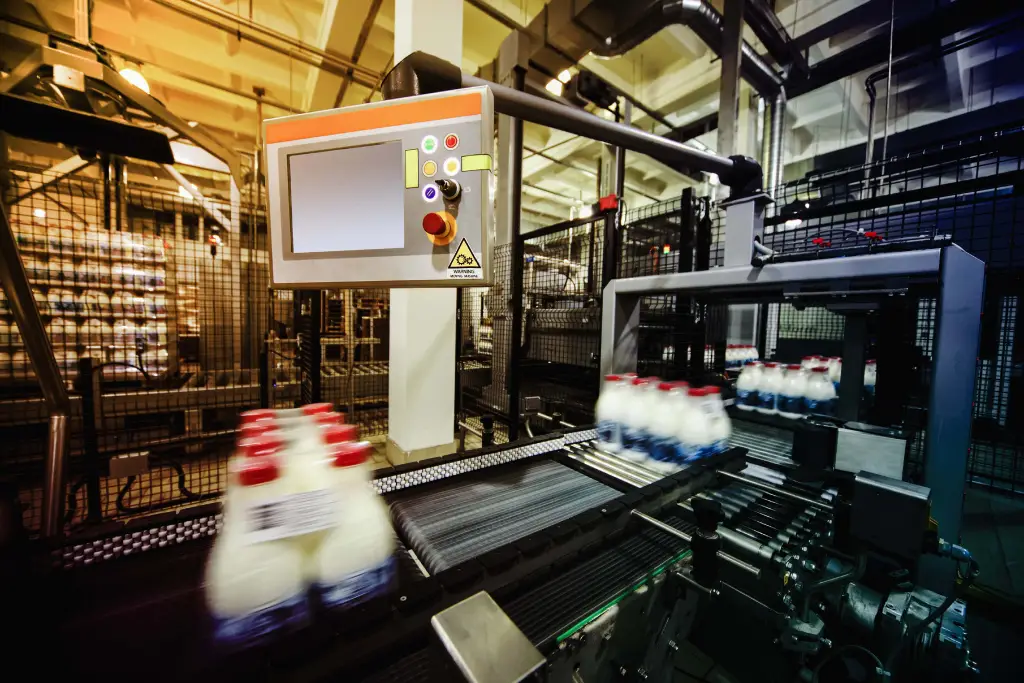
When Small Problems Fade Into the Background
This is how control system problems quietly work their way into daily operations — not through major failures, but through repetition.
Resets become routine. Workarounds turn into standard practice. Operators learn which alarms matter and which ones don’t. Maintenance teams learn how to nurse aging equipment through another shift.
This doesn’t happen because people don’t care. It happens because keeping production moving always comes first. If a team can manage an issue without downtime, they usually do.
But when the same problems keep showing up, something changes. Teams stop asking why the issue exists. They stop trying to fix it and start figuring out how to live with it.
That’s when “temporary” turns into “normal.”
Why This Matters More Than It Seems
Once control system problems become routine, their impact is easy to underestimate.
They rarely appear as a single event. Instead, they show up as:
- Operators spending more time managing issues
- Maintenance teams reacting instead of improving
- Systems that feel fragile during peak demand
- Decisions pushed off because “now isn’t the right time”
Over time, reliability stops being about system health and starts depending on the people holding everything together.
That’s a risky place to be — especially when spare parts grow harder to find, software versions fall further behind, and critical knowledge lives in just a few people’s heads.
A Better Question to Ask
As the year comes to a close and planning begins, it’s worth pausing to ask a simple question:
What have we learned to accept?
Which problems feel normal only because they happen so often?
Which alarms do people ignore without a second thought?
Which resets feel expected instead of investigated?
Most of these issues were never meant to last. Teams applied temporary fixes and short-term compromises to keep things moving.
When nothing changes, those compromises quietly become the baseline.
And once something becomes the baseline, people stop questioning it.
Redefining “Normal”
Improving reliability often starts by noticing everyday friction — and deciding it no longer makes sense. It doesn’t have to begin with a major project or a full system overhaul.
It starts by taking a closer look at systems that technically still work, but only because people constantly keep them running.
The most resilient operations aren’t the ones without problems. They’re the ones that refuse to treat those problems as inevitable.
As you look ahead, it’s worth asking: is your control system truly stable — or just familiar?
Sometimes, redefining “normal” is the first step toward building something better.
A Quiet Next Step
If this feels familiar, it may be worth taking a closer look.
For some teams, that starts with an outside perspective — a structured way to understand which control system problems need attention now and which can wait. That’s the thinking behind AUDITIQ™: helping plants understand their current state before jumping to solutions.
And sometimes, a conversation is enough. If you want to talk through what’s become “normal” in your operation, we’re always open to listening.